Wednesday, 18 September 2013
IBS
I often wonder if patients have IBS, so was quite pleased to find the official IBS diagnosis criteria, and the NICE guidelines.
Diagnosis
Using a combination of NICE guidelines and Rome III guidelines, consider assessment for IBS if you have any of the following symptoms:
- Abdominal pain or discomfort (at least 3 days/month in the last 3 months)
- Bloating
- Change in bowel habit - change in frequency or form of stool
Treatment
Increase soluble fibre (eg oats)
Reduce insoluble fibre (eg wholemeal and high-bran cereals)
Laxatives
Lactulose is not recommended.
Osmotic laxatives such as magnesium hydroxide (milk of magnesia) or macrogol (polyethylene glycol; Movicol®) may be recommended.
Stimulants not recommended
Bulk-forming laxatives (ispaghula husk, methylcellulose, sterculia)
Painkillers
Mebeverine hydrochloride (Colofac®) or alverine citrate (Spasmonal®)
Peppermint oil
Antimuscarinics (anticholinergics) such as hyoscine butylbromide (Buscopan®) are poorly selective and are likely to cause antimuscarinic adverse effects.

Abdominal Pain
These summaries are for me - and they're online so that I know exactly where to find them where ever I am!


Kidney - Renal Colic and Urinary Retention
Renal Colic
Diagnosis
85-90% present with haematuria
Uric acid stone formers have acidic urine, as to cystinurics
Calcium stones have alkaline urine
Imaging
Look carefully for stones at the points where they may get stuck:
The pelviureteric junction where the large diameter of the renal pelvis decreases to that of the ureter (2-3 mm)
The pelvic brim: as the ureters arch over the iliac vessels, they narrow to about 4 mm
The vesicoureteric junction where the ureter narrows to 1-5 mm - this is the most common area
Treatment
- Buscopan may be useful but no hard evidence.
Physiology
- The most common types of stone are:
calcium-containing stones - 70%
infection stones (struvite/ triple phosphate) - 15-20%
uric acid stones - 5-10% cystine stones - 1-3%
xanthine stones - 1%
BMJ article
Acute Urinary Retention
PSA: The serum PSA can be artificially elevated in acute urinary retention and after instrumentation of the urinary tract (catheterisation). It can also be artificially raised by infection (cystitis, prostatitis), prostatic biopsy itself, and after sexual intercourse but not by a gentle rectal examination. PSA should only be measured in the acute setting if there is a suspicious rectal examination or a concomitant history suggesting metastatic disease (bone pain, leg weakness).
Tamsulosin: less postural hypotension, more retrograde ejaculation (better in elderly men).
Alfusozin: more postural hypotension, less retrograde ejaculation (better in younger men).
Diagnosis
85-90% present with haematuria
Uric acid stone formers have acidic urine, as to cystinurics
Calcium stones have alkaline urine
Imaging
Look carefully for stones at the points where they may get stuck:
The pelviureteric junction where the large diameter of the renal pelvis decreases to that of the ureter (2-3 mm)
The pelvic brim: as the ureters arch over the iliac vessels, they narrow to about 4 mm
The vesicoureteric junction where the ureter narrows to 1-5 mm - this is the most common area
Treatment
- Buscopan may be useful but no hard evidence.
Physiology
- The most common types of stone are:
calcium-containing stones - 70%
infection stones (struvite/ triple phosphate) - 15-20%
uric acid stones - 5-10% cystine stones - 1-3%
xanthine stones - 1%
BMJ article
Acute Urinary Retention
PSA: The serum PSA can be artificially elevated in acute urinary retention and after instrumentation of the urinary tract (catheterisation). It can also be artificially raised by infection (cystitis, prostatitis), prostatic biopsy itself, and after sexual intercourse but not by a gentle rectal examination. PSA should only be measured in the acute setting if there is a suspicious rectal examination or a concomitant history suggesting metastatic disease (bone pain, leg weakness).
Tamsulosin: less postural hypotension, more retrograde ejaculation (better in elderly men).
Alfusozin: more postural hypotension, less retrograde ejaculation (better in younger men).
Abdominal Pain


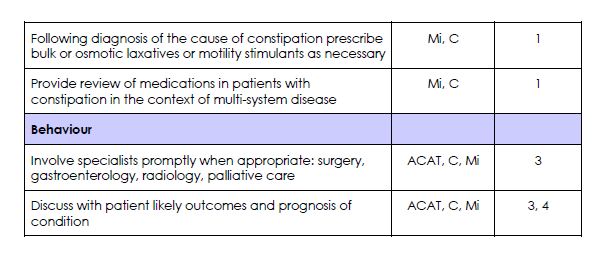
The CEM syllabus is quite vague. There are probably far too many resources out there about abdominal pain. I think the hardest thing is persuading the surgeons to take abdominal pain, especially if bloods aren't abnormal!
elFH (and EnlightenMe)
There are many e-learning modules:
Anorectal disease
Gall Bladder Disease
Appendicitis
Pancreatitis
Urinary Retention
Haematuria
Enlighten Me
Abdominal Pain without Shock module - this was quite basic but a useful reminder of the embryology, and good consolidation.
CEMPaedia on Abdominal Pain
CEMPaedia on Appendicitis
Doctors.net
Kidney Stones
Acute Abdomen
AXR Interpretation - This module was brilliant and covered more than just the basics. A summary card with the stats and pictures (like the PV cards on academic life in EM) would be great.
AXR Quiz - a very useful quiz, with excellent emphasis on what features to look out for.
Other
Calgary Guide - this website is brilliant for looking at the pathophysiology of disease.
Medical causes of abdominal pain
Emergency Medicine Ireland - If I'd watched this podcast before seeing a patient with abdo pain, I think they'd have been diagnosed. If only I could remember their name!
Subscribe to:
Posts (Atom)